Why Do Companies Need to Know the Condition of Devices Used by Employees?
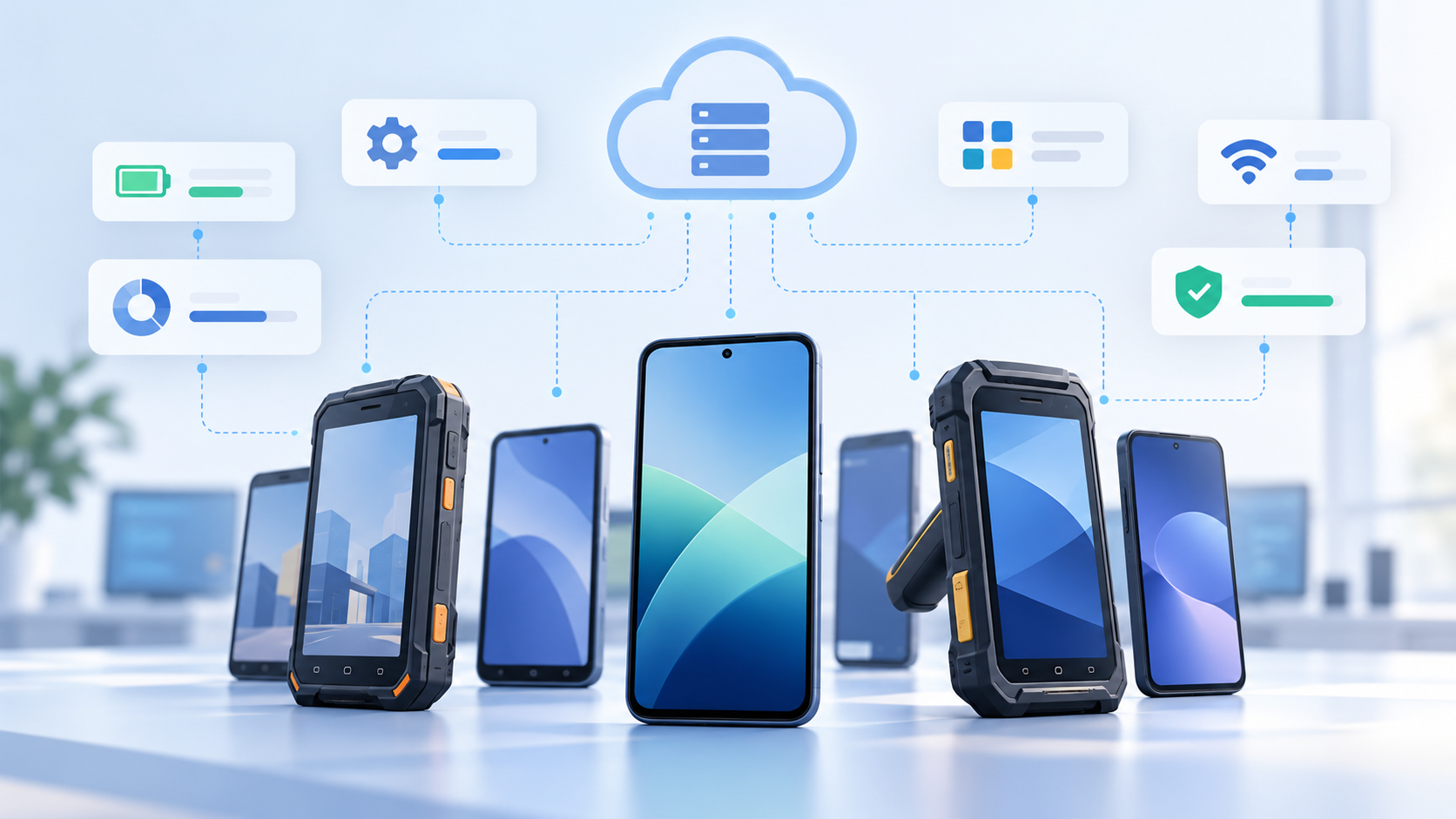
Smartphones and tablets have become part of everyday work. Employees use them to access business applications, communicate, receive information, and support various operational activities. As the number of company-managed devices grows and devices are used across different locations, visibility into their condition becomes increasingly important.
For IT teams, device management is not only about knowing whether a device is enrolled. Device condition can also indicate whether a device is ready for use, experiencing an issue, or requires further attention.
It Is More Than Knowing Whether a Device Is Online
Knowing whether a device is online or offline is important, but it is only one part of the picture. Companies may also need visibility into other information, such as storage capacity, battery status, operating system version, installed applications, and whether the device complies with company policies.
This information gives IT teams a better view of device conditions without requiring them to physically check every device.
Why Is Device Information Important?
1. Identify Potential Issues Earlier
A device with nearly full storage, an outdated operating system, or a configuration that does not meet company requirements may cause problems during daily use. By identifying these conditions earlier, IT teams can take action before they affect users or business activities.
2. Make Sure Devices Are Ready for Work
Work devices need to remain in a condition that supports employees' daily activities. Required applications should be available, necessary policies should be applied, and devices should be able to communicate with company systems. Visibility into device conditions helps IT teams identify when these requirements may need attention.
3. Make Managing Multiple Devices Easier
When a company has only a few devices, manual checks may still be practical. But when the number grows to hundreds or thousands, checking devices one by one becomes inefficient. Centralized device information allows IT teams to view the condition of many devices more efficiently.
4. Support Better Security
Device condition is also related to security. Devices running outdated operating systems, failing to follow certain policies, or using inappropriate configurations may create additional risks for a company. Monitoring helps IT teams identify devices that require attention.
Turning Device Data Into Action
Device information becomes more valuable when it can be used to determine the right action. For example, if a device is running low on storage, the IT team can identify it and help address the issue. The same applies when a device no longer meets an established policy.
This is where centralized device management can help. A centralized device management platform can collect information from multiple devices and provide a centralized view. IT teams can use this information to check device status, monitor relevant conditions, apply policies, and manage devices based on operational needs.
How Vanguard Can Help
Vanguard UEM helps companies centrally manage Android devices used across their operations. Device information provides visibility into the condition of managed Android devices, reducing the need to rely entirely on manual checks.
With centralized device management, companies can gain better visibility into the devices used in their operations. This gives IT teams a clearer basis for identifying devices that require attention.
Conclusion
Knowing whether a device is online or offline is only one part of managing its operational condition. Device information can help IT teams identify devices that may require attention and maintain visibility into device readiness for daily operations.
As the number of devices grows, manual monitoring becomes increasingly difficult. Centralized device management can help IT teams maintain visibility across managed devices and respond to conditions that require further action.